

Phonics in Nursery
What does Early Reading & Phonics look like in Nursery?
In Nursery, our priority is to build the strong communication, language and listening foundations children need to become successful readers and writers.Throughout the year, children develop their attention, listening, vocabulary and phonological awareness through stories, rhymes, songs, conversations and playful experiences. Children learn to listen carefully to sounds, notice similarities and differences, hear rhyme and rhythm and begin to explore sounds within words.These skills are developed throughout our provision and daily interactions, rather than only during a discrete phonics session.
Building Strong Foundations
Children experience a wide range of opportunities to develop their early phonological awareness.
These include:
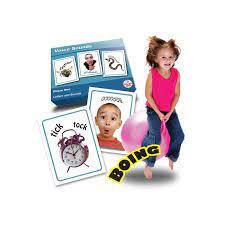
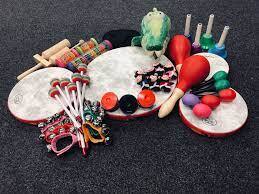
● environmental and instrumental sounds
● body percussion
● rhythm and rhyme
● alliteration
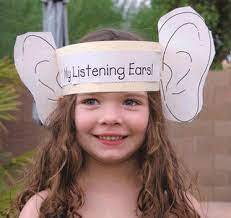
● listening and attention games
● oral blending and segmenting
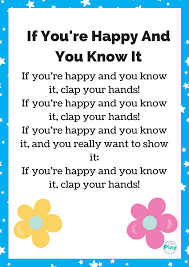
● songs, rhymes and repeated stories.
Adults model rich language and encourage children to listen, respond, join in and play with sounds and words.
Read Write Inc. in Nursery
During the Summer Term, children begin their introduction to Read Write Inc. when they are developmentally ready.This carefully builds upon the listening, language and phonological awareness developed throughout Nursery. Children begin to become familiar with letter sounds and the routines they will encounter as they progress into Reception.This supports a smooth and progressive journey from Nursery → Reception, where systematic Read Write Inc. teaching continues.
Watch Videos and find out more on the Ruth Miskin Parent Page:
Phonics Throughout Our Provision
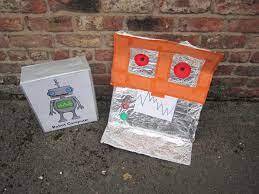
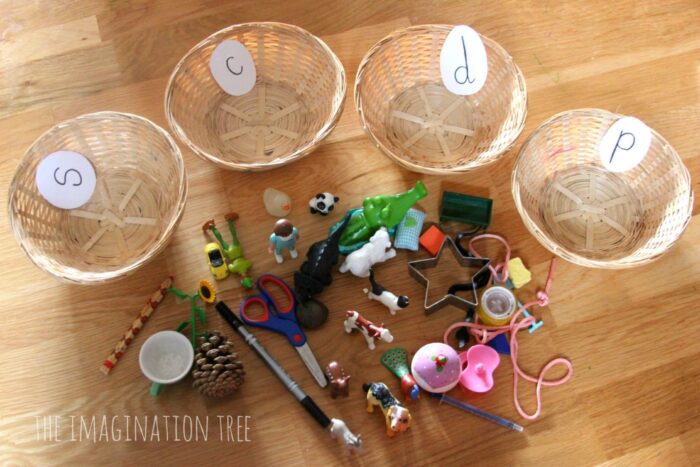
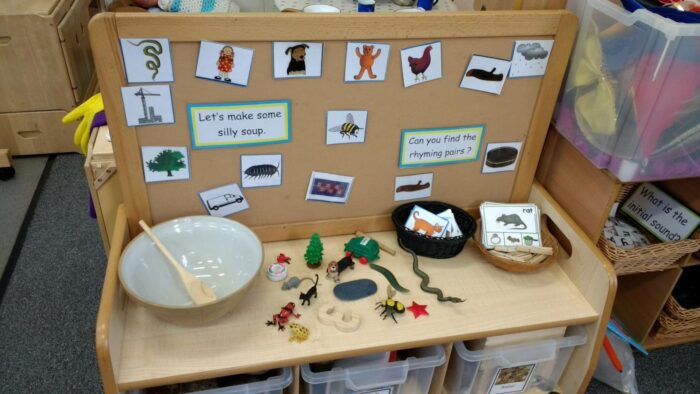
Early reading and phonological awareness are not limited to adult-led sessions. Opportunities are deliberately woven throughout our indoor and outdoor provision.Children revisit sounds, songs, rhymes and vocabulary through books, role play, games, music, mark making and meaningful play. Our provision is responsive, so adults provide further opportunities to practise particular skills when assessment and observation show that children need additional consolidation.
Examples of our Phonics Activities